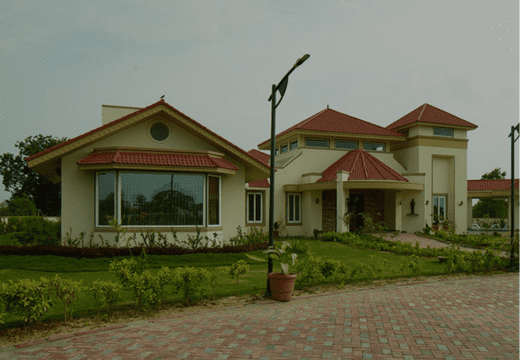
As the population of senior citizens across India continues to grow, Gujarat has emerged as one of the most progressive states in addressing the housing needs of older adults. With a rich cultural heritage that deeply values family and eldercare, the state offers a surprising range of living arrangements that balance comfort, community, and affordability. Whether a retiree is searching for a peaceful environment to spend their golden years or a family is seeking dependable care for an ageing parent, understanding the available options is essential.
Gujarat’s pleasant climate, well-developed infrastructure, and relatively lower cost of living compared to major metropolitan cities make it a particularly attractive destination for senior living. From bustling cities like Ahmedabad and Vadodara to serene semi-urban towns, the landscape of eldercare housing is evolving rapidly. This guide explores five affordable housing models that are helping older adults across Gujarat live with dignity, security, and genuine peace of mind.
1. Dedicated Retirement Communities Offering Comprehensive Living
Retirement communities have become one of the most sought-after housing models for seniors in Gujarat, and for good reason. These purpose-built residential developments cater specifically to older adults by providing age-appropriate infrastructure, shared amenities, and a built-in social network. Unlike traditional housing, retirement communities are designed from the ground up with seniors in mind — think step-free walkways, emergency call systems, accessible common areas, and thoughtfully planned green spaces that encourage gentle outdoor activity.
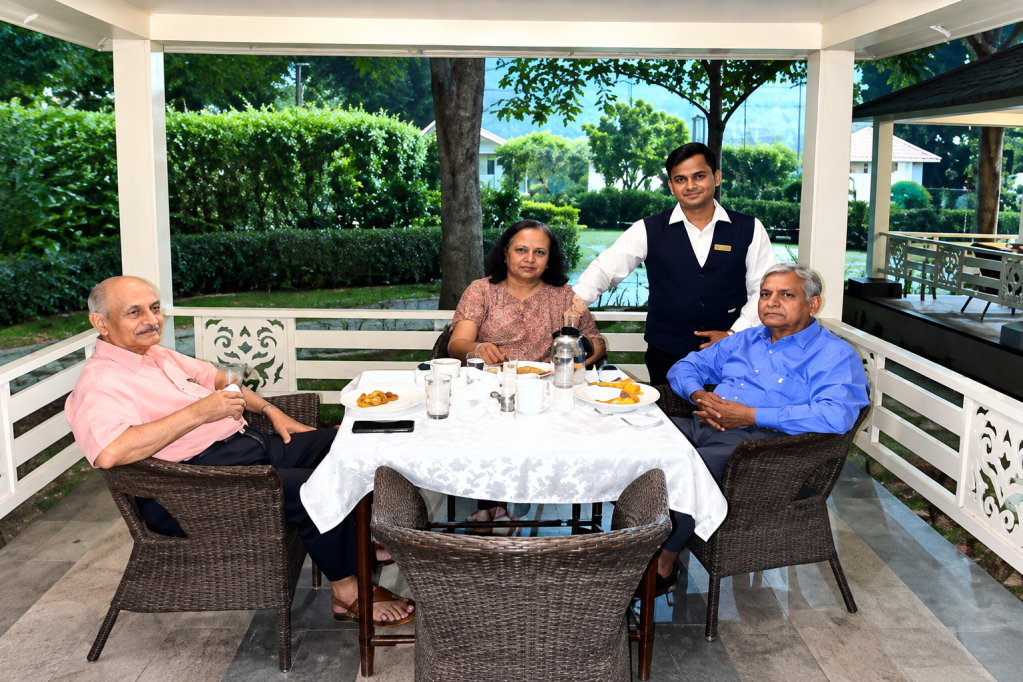
What makes these communities particularly appealing is the blend of independence and support they offer. Residents maintain their own living spaces and daily routines while having access to shared dining halls, recreational facilities, and wellness programmes. Establishments like Kamdhenu old age home in Gujarat reflect this growing trend, offering senior citizens a retreat-style environment that emphasises both comfort and community bonding. Such communities are increasingly available at varying price points, making them accessible to a wider range of retirees who value both autonomy and a strong sense of belonging.
2. Government-Subsidised Senior Housing Schemes
The Gujarat state government, in collaboration with central government initiatives, has introduced several housing programmes aimed at providing affordable shelter to elderly citizens. Under policies such as the Pradhan Mantri Awas Yojana, senior citizens from economically weaker sections can access subsidised housing with reduced interest rates on home loans and priority allocation in government-built residential projects. These schemes are particularly beneficial for older adults who may not have the financial reserves to invest in private retirement facilities.
Beyond direct housing subsidies, some municipal corporations in Gujarat have set aside specific land parcels and building projects for senior citizen welfare. Cities like Surat and Rajkot have seen local government bodies partnering with non-profit organisations to build low-cost senior housing complexes. These facilities typically include basic medical infrastructure, communal gathering spaces, and essential maintenance services, all designed to ensure that elderly residents can live safely without bearing a heavy financial burden.
3. Co-Living Arrangements for Active Seniors
Co-living is no longer a concept reserved for young professionals in metropolitan cities. Across Gujarat, a growing number of older adults are embracing shared living arrangements that allow them to split costs while enjoying companionship and mutual support. In these setups, seniors typically share a larger house or apartment, with each individual or couple occupying a private room while common areas such as the kitchen, living room, and garden remain shared. This model dramatically reduces per-person expenses, including rent, utilities, household help, and even grocery costs.

The emotional benefits of co-living are equally significant. Loneliness and social isolation are among the most pressing challenges faced by ageing populations, and co-living directly addresses this by fostering daily interaction and genuine connection among housemates. Several informal co-living groups have formed in cities like Ahmedabad and Vadodara, where like-minded retirees come together through community networks, religious organisations, or senior citizen clubs. While this model requires a degree of adaptability and mutual respect, many older adults find that the sense of shared purpose and companionship more than compensates for the adjustment.
4. Affordable Assisted Living Facilities
For seniors who require some level of daily assistance — whether with mobility, medication management, or personal care — affordable assisted living facilities provide a practical middle ground between full independence and intensive nursing care. Gujarat has seen a steady increase in the number of assisted living centres that offer tiered pricing models, allowing families to select a level of support that matches their loved one’s needs without paying for unnecessary premium services.
These facilities typically provide furnished accommodation, regular nutritious meals, housekeeping, and access to trained caregiving staff. Many centres in Gujarat also offer physiotherapy, yoga sessions, and recreational programmes designed to keep residents physically active and mentally engaged. These activities can contribute significantly to the wellness of seniors, supporting both physical health and emotional well-being.
5. Staying in Family Homes with Thoughtful Modifications
Despite the rise of institutional senior housing, a large number of older adults in Gujarat prefer to age within the familiarity and warmth of their own family homes. This remains the most affordable option, particularly when families invest in modest home modifications that make the living space safer and more accessible. Simple changes — such as installing grab bars in bathrooms, replacing slippery flooring with textured tiles, adding ramp access at entry points, and improving lighting in hallways — can transform an ordinary home into a senior-friendly environment at a fraction of the cost of relocating to a specialised facility.
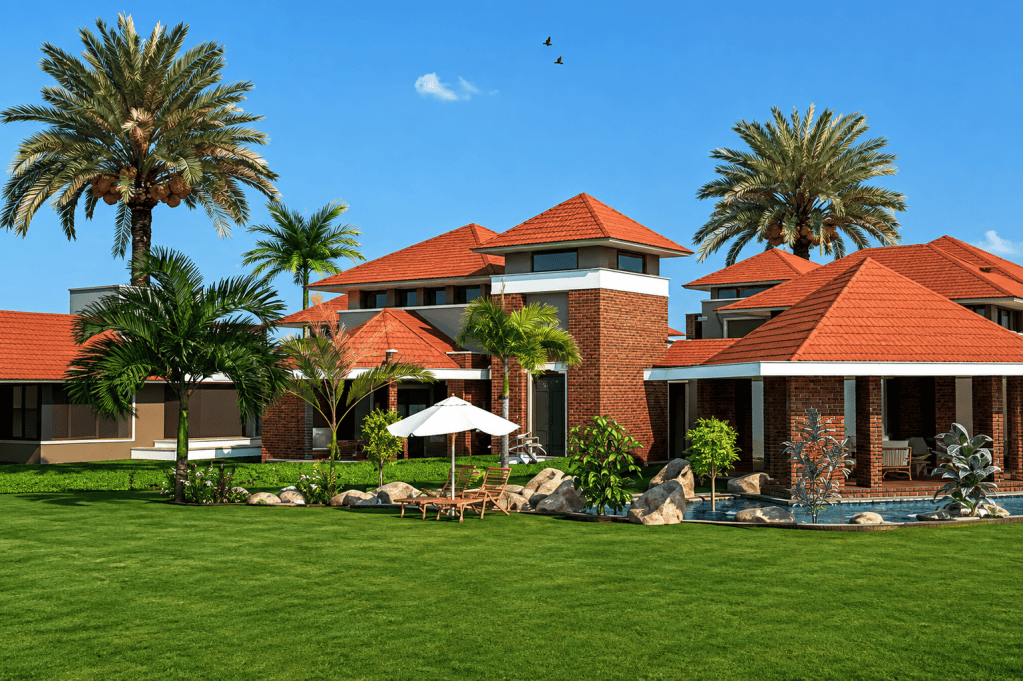
The concept of “ageing in place” is gaining momentum across India, and Gujarat is no exception. Local contractors and home renovation firms in cities like Ahmedabad, Vadodara, and Gandhinagar now offer senior-specific modification packages that are both economical and effective. Additionally, families who choose this route can supplement home modifications with part-time caregiver services, telemedicine consultations, and community-based support programmes. This combination ensures that elderly family members receive adequate care and engagement while remaining connected to the neighbourhood, routines, and personal memories that make home feel like home.
The Role of Community and Religious Organisations
Gujarat’s vibrant network of community trusts, charitable foundations, and religious institutions plays a vital role in providing affordable — and sometimes entirely free — housing for senior citizens. Ashrams, dharamshalas, and trust-operated senior homes have a long history in the state, offering shelter, meals, and basic medical care to older adults who may have limited financial resources or family support. These organisations often operate on a donation-based model, which keeps costs minimal for residents and ensures that no elderly person is turned away due to inability to pay.
In recent years, several of these organisations have modernised their facilities to include better infrastructure, recreational areas, and even skill-based workshops that give residents a sense of purpose. Some trusts in the Saurashtra and Kutch regions, for instance, have built well-maintained senior housing campuses that rival private facilities in quality while remaining free of charge. For many older adults, particularly those from rural backgrounds, these community-driven housing options represent not just shelter, but a lifeline of dignity and respect during their later years.
Choosing the Right Option Based on Individual Needs
Selecting the most suitable housing arrangement for an older adult involves weighing several personal and practical factors. Health requirements are often the starting point — a senior who is largely independent will have very different needs from one who requires daily medical attention or physical assistance. Financial capacity, of course, plays a significant role, but it should not be the only consideration. The emotional well-being of the senior, their preference for social interaction versus solitude, proximity to family members, and access to healthcare facilities are all equally important variables that should guide the decision.
Families should approach this decision collaboratively, involving the older adult in every conversation and honouring their preferences wherever possible. Visiting potential facilities in person, speaking with current residents and their families, and thoroughly understanding the fee structures and included services are all essential steps. Gujarat’s diverse range of affordable housing options means that there is genuinely something for every situation and budget, provided families take the time to research and evaluate their choices with care and compassion.
Conclusion
Gujarat stands out as a state that is actively expanding its eldercare housing ecosystem to meet the evolving needs of its senior population. From professionally managed retirement communities and government-backed subsidy programmes to innovative co-living arrangements and deeply rooted community organisations, older adults in the state have more affordable options today than ever before. The key lies in understanding that each senior’s needs are unique, and the right housing solution is one that addresses not only physical comfort and safety but also emotional fulfilment and social connection.
As awareness grows and more families explore these possibilities, the stigma around seeking external housing support for elderly loved ones continues to diminish. Gujarat’s approach — one that blends modern infrastructure with traditional values of care and respect — offers a meaningful blueprint for senior living across India. The journey to finding the right home for an older adult may require patience and thoughtful research, but the reward is a life lived with dignity, purpose, and peace.
 Quickinfohub
Leave a comment