
Every vehicle owner wants smooth acceleration, reliable mileage, and an engine that starts without hesitation. Yet many drivers overlook one of the most common culprits behind sluggish performance: dirty fuel components. Over time, dust, debris, moisture, and fuel residue accumulate inside the fuel system, quietly working against your engine’s efficiency. What starts as a minor buildup can eventually turn into rough idling, poor acceleration, or even costly repairs. Understanding how fuel system cleanliness affects your car’s health is the first step toward keeping it running at its best for years to come.
The Fuel System’s Role in Engine Performance
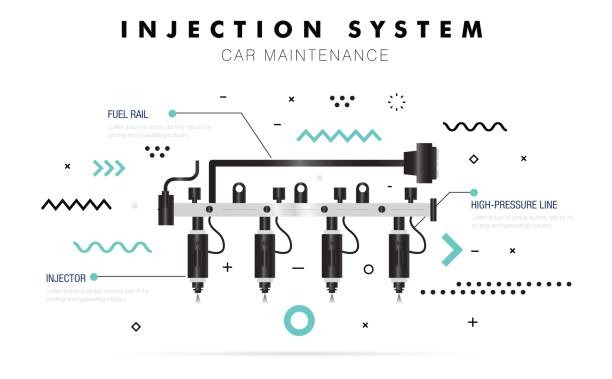
Your vehicle’s fuel system is responsible for delivering a precise mixture of fuel and air to the engine, allowing combustion to happen efficiently. When every component, from the fuel tank to the diesel injector, remains clean, the engine receives consistent fuel flow and burns it properly. This balance is what gives you smooth power delivery and predictable throttle response.
However, when contaminants build up anywhere along this path, that balance is disrupted. The engine may struggle to receive the right amount of fuel at the right pressure, leading to inconsistent combustion. Even a small disruption in this finely tuned system can ripple through the entire engine, affecting everything from idle stability to overall responsiveness during acceleration.
How Contaminants Enter the Fuel System
Fuel contamination doesn’t happen overnight, and it often originates from sources drivers rarely consider. Dust particles can enter during refueling, moisture can condense inside the tank due to temperature changes, and low-quality fuel may already carry microscopic debris before it even reaches your vehicle. Over time, these particles settle within fuel lines, filters, and delivery components.
Additionally, older vehicles or those driven infrequently are more susceptible to sediment buildup, as stagnant fuel tends to break down and form deposits. Environmental factors such as humidity and temperature fluctuations further accelerate this process. Recognizing these entry points helps drivers understand why regular fuel system checks matter, regardless of how new or well-maintained a vehicle appears to be.
The Impact on Fuel Efficiency
One of the most noticeable effects of a dirty fuel system is reduced fuel efficiency. When components become clogged or coated with residue, the engine has to work harder to maintain proper combustion, which increases fuel consumption. Drivers often notice more frequent trips to the gas station without any change in their driving habits.
This inefficiency stems from an imbalanced air-fuel ratio, which forces the engine control system to compensate in ways that aren’t optimal. Over an extended period, this not only costs more in fuel expenses but also places additional strain on other engine components, potentially shortening their lifespan. Maintaining a clean fuel system is therefore a simple yet effective way to protect long-term efficiency and supports better methods for improving vehicle fuel efficiency over time.
Reduced Engine Power and Sluggish Acceleration
A buildup of dirt and residue within the fuel system often translates directly into a noticeable loss of power. Engines rely on a steady, unobstructed fuel supply to generate consistent combustion, and any restriction in that flow can cause hesitation during acceleration or a general feeling of sluggishness, especially under load or at higher speeds.
This performance dip can be subtle at first, making it easy to dismiss as normal wear. However, as contamination worsens, the difference becomes more apparent, particularly when climbing hills, merging onto highways, or carrying extra weight. Addressing fuel system cleanliness early helps preserve the responsive driving experience that most vehicle owners expect and rely on daily.
Rough Idling and Inconsistent Performance
Idling smoothly is a sign of a well-functioning engine, but dirty fuel components often disrupt this balance. When fuel delivery becomes inconsistent due to clogged passages or contaminated components, the engine may idle roughly, stall unexpectedly, or exhibit fluctuating RPMs even when the vehicle is stationary.
These symptoms are not just inconvenient; they indicate deeper inefficiencies within the combustion process. Left unaddressed, rough idling can progress into more frequent stalling or difficulty restarting the vehicle after short stops. Recognizing these early warning signs allows drivers to address fuel system issues before they escalate into more significant mechanical concerns that affect daily reliability.
Increased Emissions and Environmental Impact
Beyond performance, a dirty fuel system also affects how cleanly your vehicle burns fuel. Incomplete combustion caused by contaminated components often results in higher emissions, as unburned fuel particles exit through the exhaust system rather than being fully utilized for power. This not only impacts air quality but can also cause a vehicle to fail emissions testing in regions where it’s required.

Over time, this inefficient combustion can lead to carbon deposits building up in other parts of the engine, compounding the problem further. Keeping fuel components clean supports more complete combustion, which in turn reduces the environmental footprint of your vehicle while also protecting sensitive engine parts from unnecessary buildup.
Long-Term Damage to Engine Components
Ignoring dirty fuel components doesn’t just affect short-term performance; it can lead to lasting damage. Continuous exposure to contaminated fuel places extra stress on delicate engine parts, causing premature wear and increasing the likelihood of costly repairs down the road. What begins as a minor efficiency issue can evolve into a major mechanical concern if left unresolved.
Preventive maintenance, including timely fuel system inspections and cleaning, is far more economical than repairing or replacing damaged components later. By staying proactive, drivers can avoid the cascading effects that dirty fuel systems have on the broader health of their vehicle, ultimately saving both time and money in the long run. This approach is a key part of adopting proactive engine protection practices to ensure long-term vehicle reliability and performance.
Conclusion
A vehicle’s performance depends heavily on the cleanliness of its fuel system, yet this aspect is often overlooked until problems become noticeable. From reduced fuel efficiency and sluggish acceleration to rough idling and long-term engine damage, dirty fuel components can quietly undermine your driving experience. Regular maintenance and timely attention to fuel system health not only preserve performance but also protect your investment for years to come. Staying proactive today can save you from unnecessary repairs and frustration tomorrow.
 Quickinfohub
Leave a comment